
The Year Before School: Getting Ready Through Play
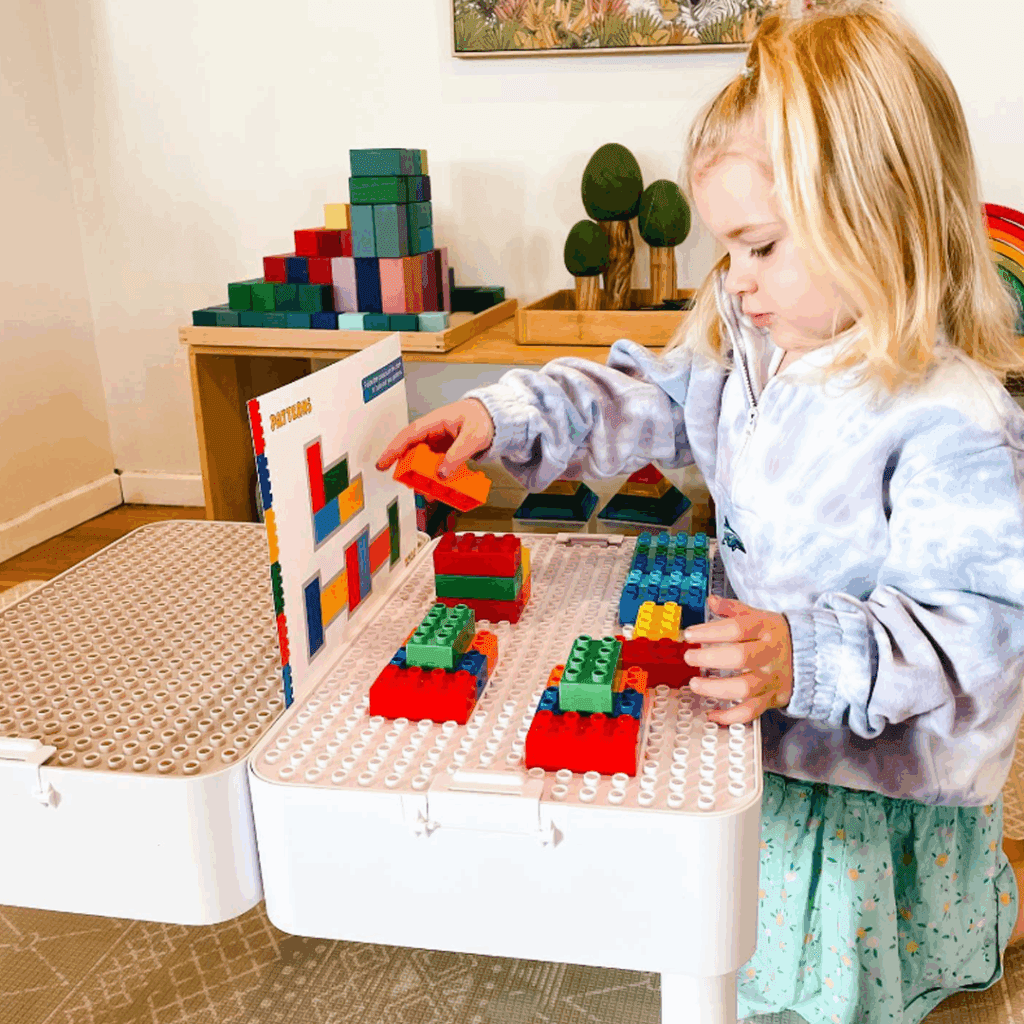
School Readiness Through Play: A Home Guide — Six Bricks Learning Playful Learning at Home School Readiness Through Play: How Parents Can Build It at Home Posted: June 19, 2026 By the Six Bricks Learning Content Team 7 min read The year before school can feel heavy with quiet pressure. A parent watches their child […]
Coding Without Screens: A Playful K–2 Approach
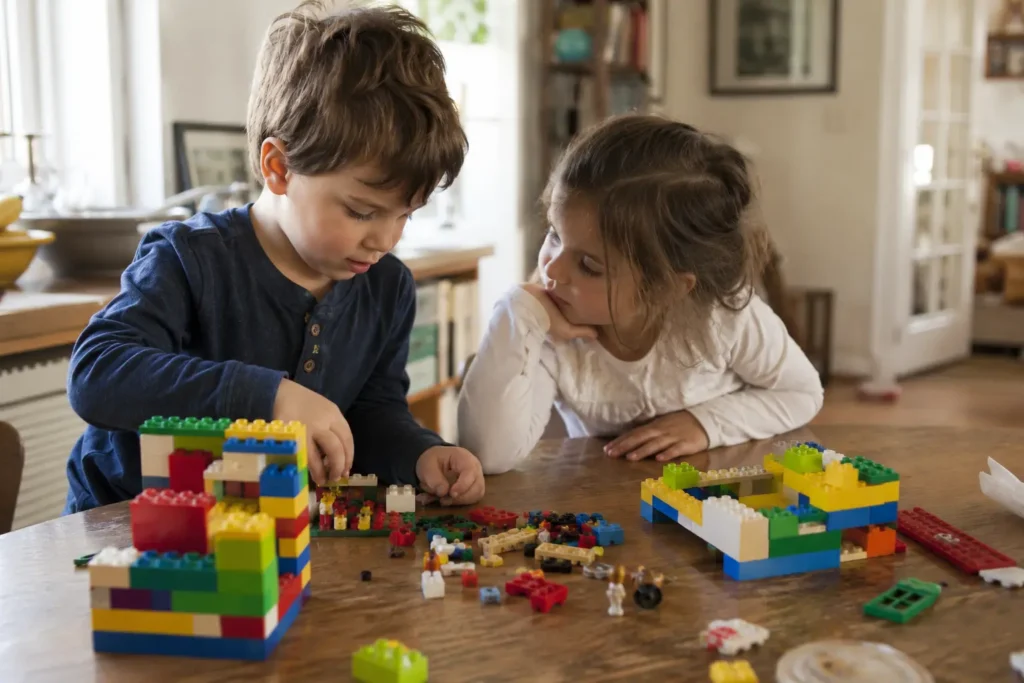
Coding Without Screens: A Playful K–2 Approach Executive Function & Cognitive Development Coding Without Screens: Computational Thinking Through Play Posted: June 11, 2026 By the Six Bricks Learning Content Team 6 min read In a Year 1 classroom, a child lines up six coloured bricks, pauses, swaps two of them, and beams when the pattern […]
Why Spatial Awareness Is the Missing Piece in Early Maths
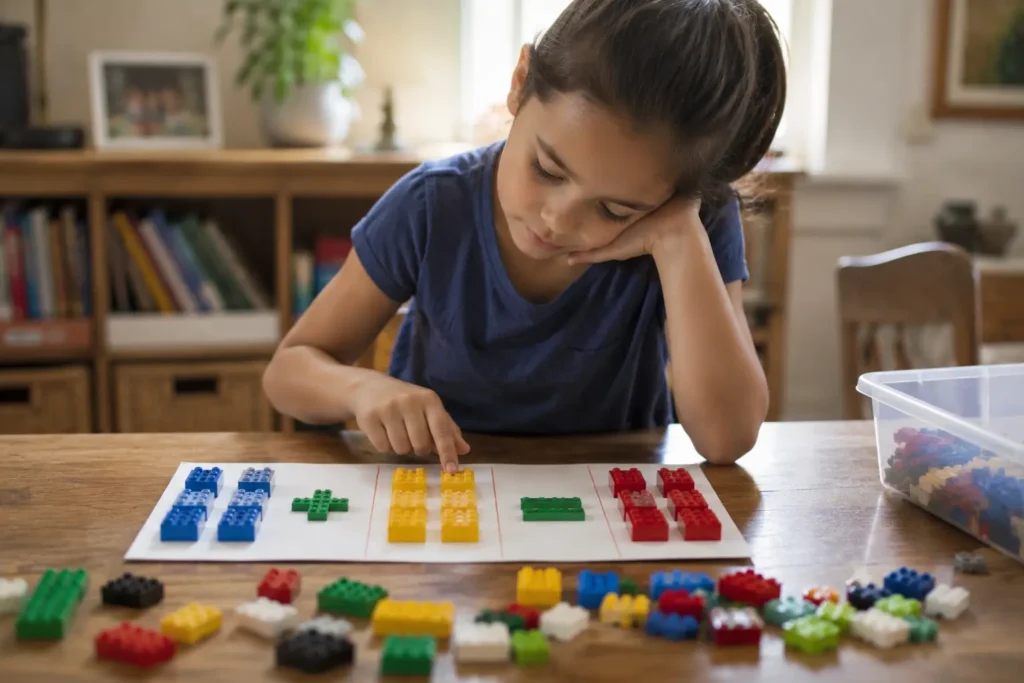
How Spatial Awareness Builds Maths Readiness — Six Bricks Learning Maths & Spatial Learning How Spatial Awareness Builds Maths Readiness — and How Six Bricks Can Help Posted: May 21, 2026 By the Six Bricks Learning Content Team 7 min read Why spatial awareness is the missing piece in early maths Ask most people what […]
Build a Story, Build a Reader — warm, memorable, brand-aligned
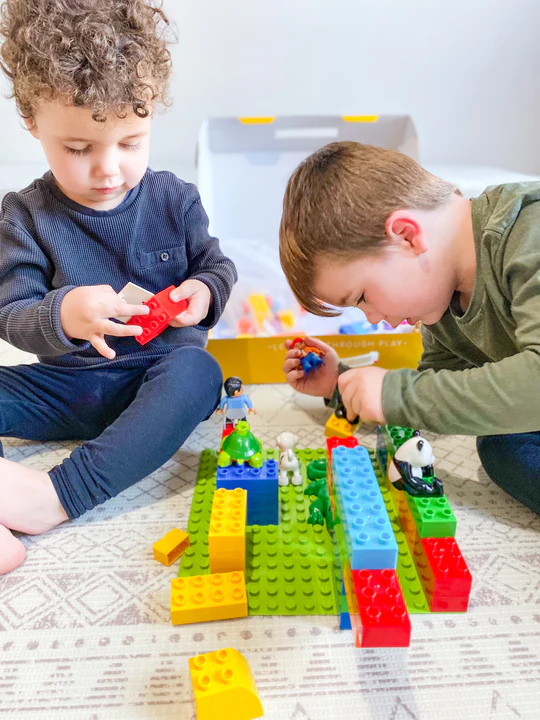
Storytelling Through Play: Build Early Literacy Skills — Six Bricks Learning Literacy Through Play Storytelling Through Play: How Build-a-Book Develops Early Literacy Skills Posted: May 2026 By the Six Bricks Learning Content Team 7 min read Picture a Foundation class settling in for story time. One child is already fidgeting. Another has drifted into a […]
Early Literacy Through Storytelling and Play
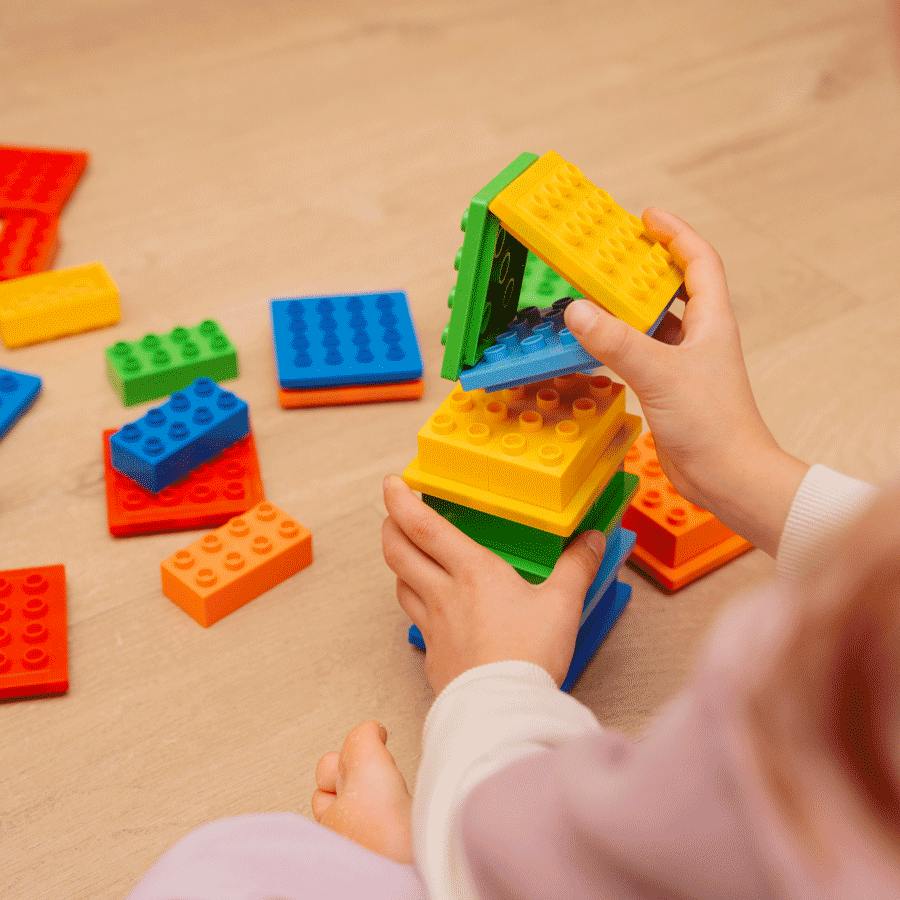
Early Literacy Through Storytelling and Play — Six Bricks Learning Literacy Through Play Early Literacy Through Storytelling and Play: How Build-a-Book Brings Language to Life Posted: May 8, 2025 By the Six Bricks Learning Content Team 9 min read Picture a Foundation classroom on a quiet Tuesday morning. A child sits at a small table […]
Hands-On Learning in a Digital Age: Why Children Still Need Brick-Based Play
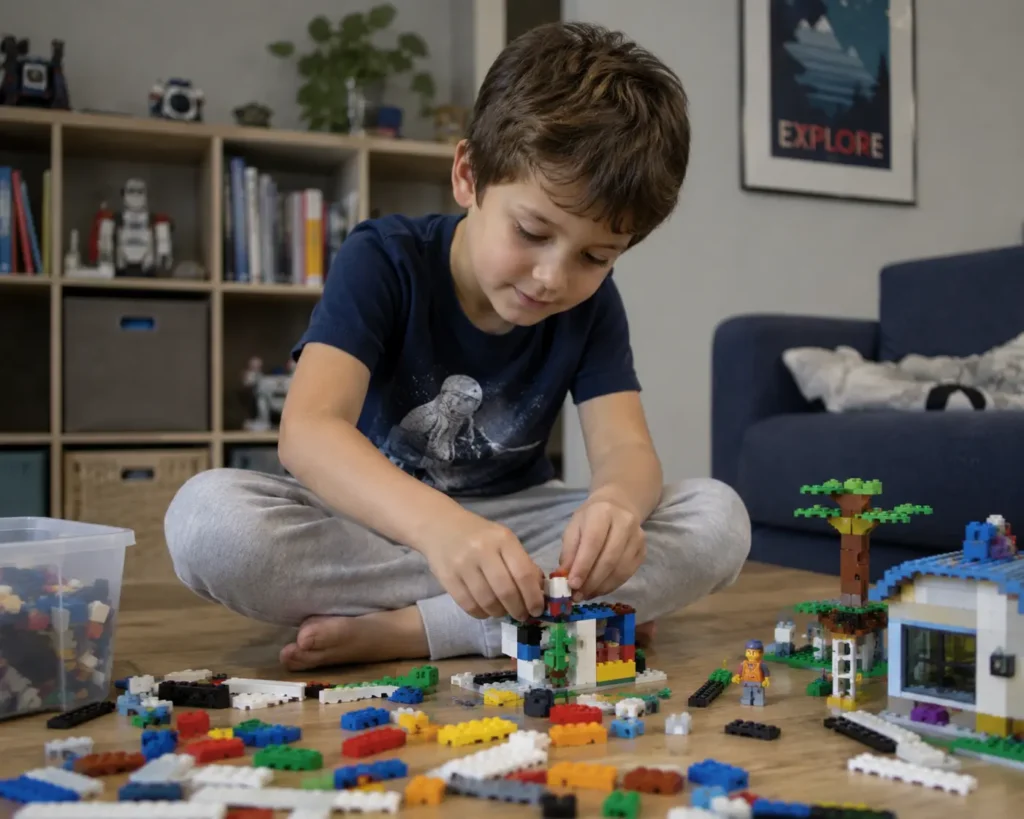
Balancing Screens and Play: Why Hands-On Learning Matters More Than Ever Posted on: April 23, 2026 by the Six Bricks Learning Content Team In many classrooms and homes today, screens are part of daily learning. From interactive whiteboards to tablets and online platforms, digital tools have expanded access and flexibility. But alongside these benefits, educators […]
Small Routines, Big Regulation: Neuroinclusive Classroom Play with Six Bricks
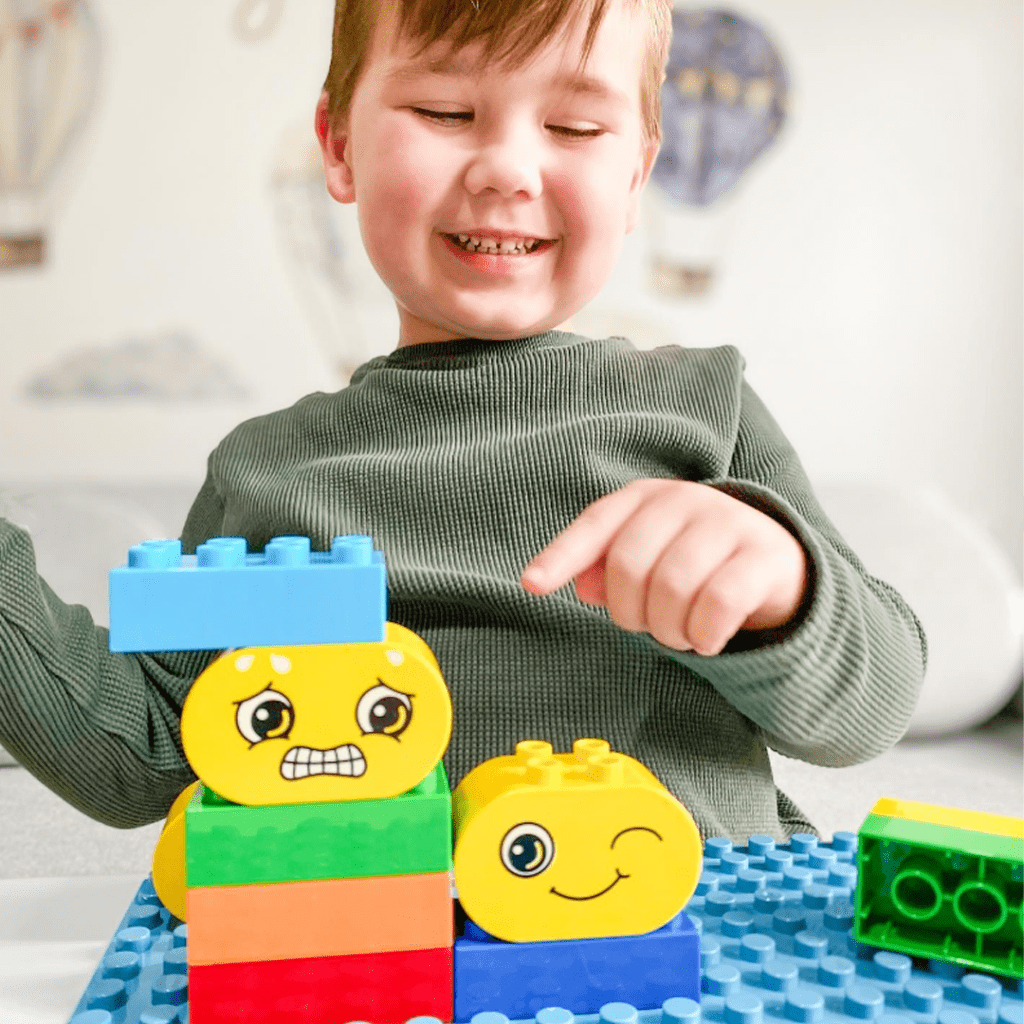
Why Short Routines Matter for Neurodiverse Learners Posted on: March 27, 2026 by the Six Bricks Learning Content Team In many early learning and primary settings, the hardest moments of the day are not always the formal lessons themselves. Instead, the greatest challenges often occur during transitions. These include arriving at school, changing tasks, moving […]
Building Emotional Literacy Through Play: How Six Bricks Helps Children Name, Regulate, and Share Feelings

Why Emotional Literacy Deserves More Space in Early Learning Posted on: March 20, 2026 by the Six Bricks Learning Content Team Children cannot regulate feelings they do not yet understand. Before a child can calm down, solve a conflict, or ask for help, they need the language and confidence to recognise what is happening inside […]
Building Problem-Solving Skills Through Play: The Six Bricks Approach
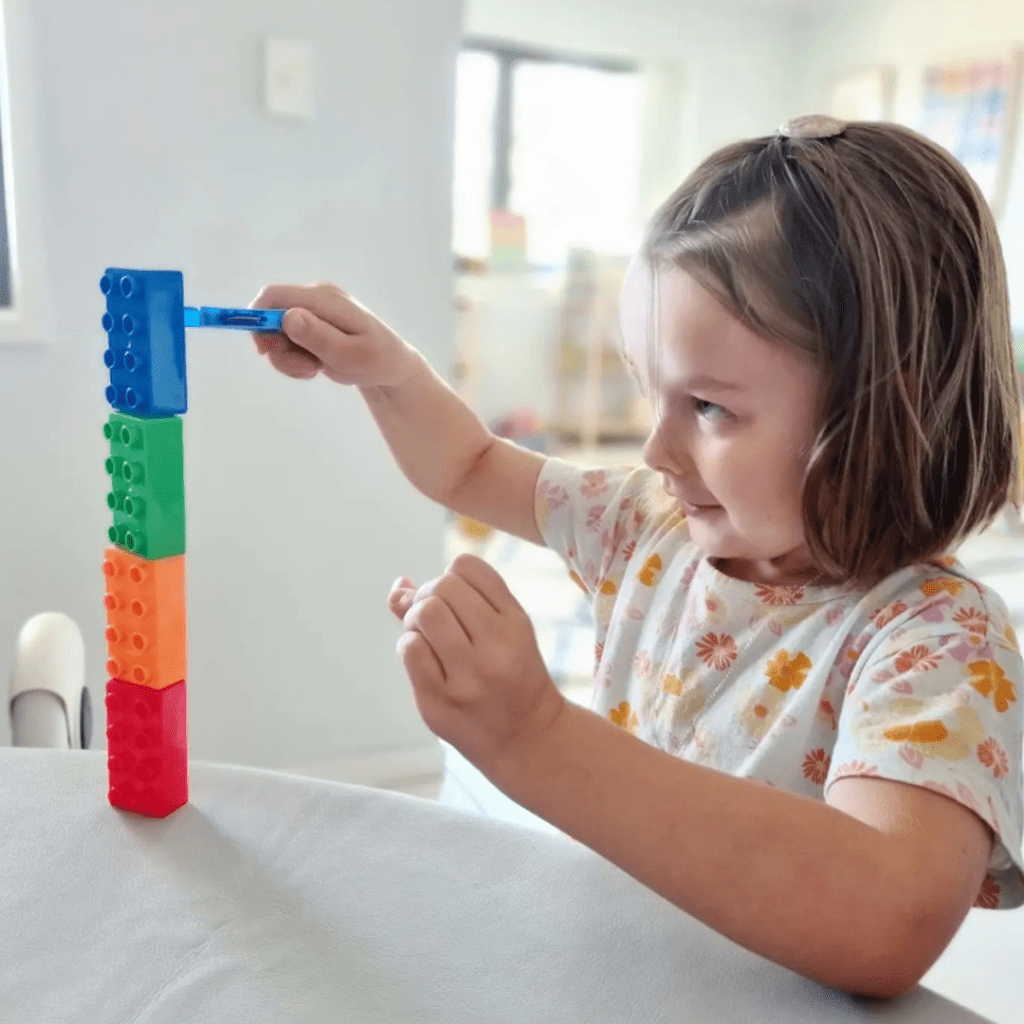
Building Problem-Solving Skills: How Six Bricks Helps Children Learn Posted on: February 23, 2026 by the Six Bricks Learning Content Team Problem-solving is one of the most powerful skills a child can develop. From navigating playground disagreements to figuring out why a structure collapsed, children are constantly encountering challenges that shape how they think and […]
Neurodiverse Play as a Strength: How Six Bricks Helps Every Child Learn Their Way
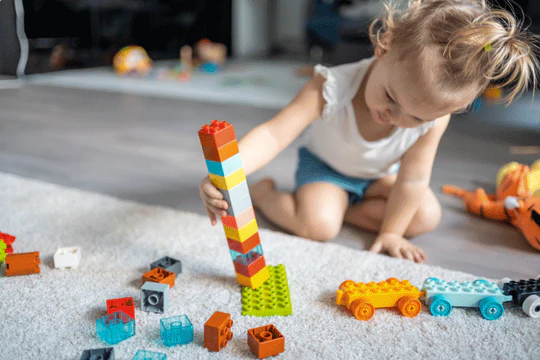
Neurodiverse Play as a Strength: How Six Bricks Helps Every Child Learn Their Way Posted on: January 29, 2026 by the Six Bricks Learning Content Team Moving Beyond “Support” Toward Strength-Based Play Neurodiverse play is often discussed in terms of accommodation or support. But what if we shifted the lens? What if neurodiverse play wasn’t […]