
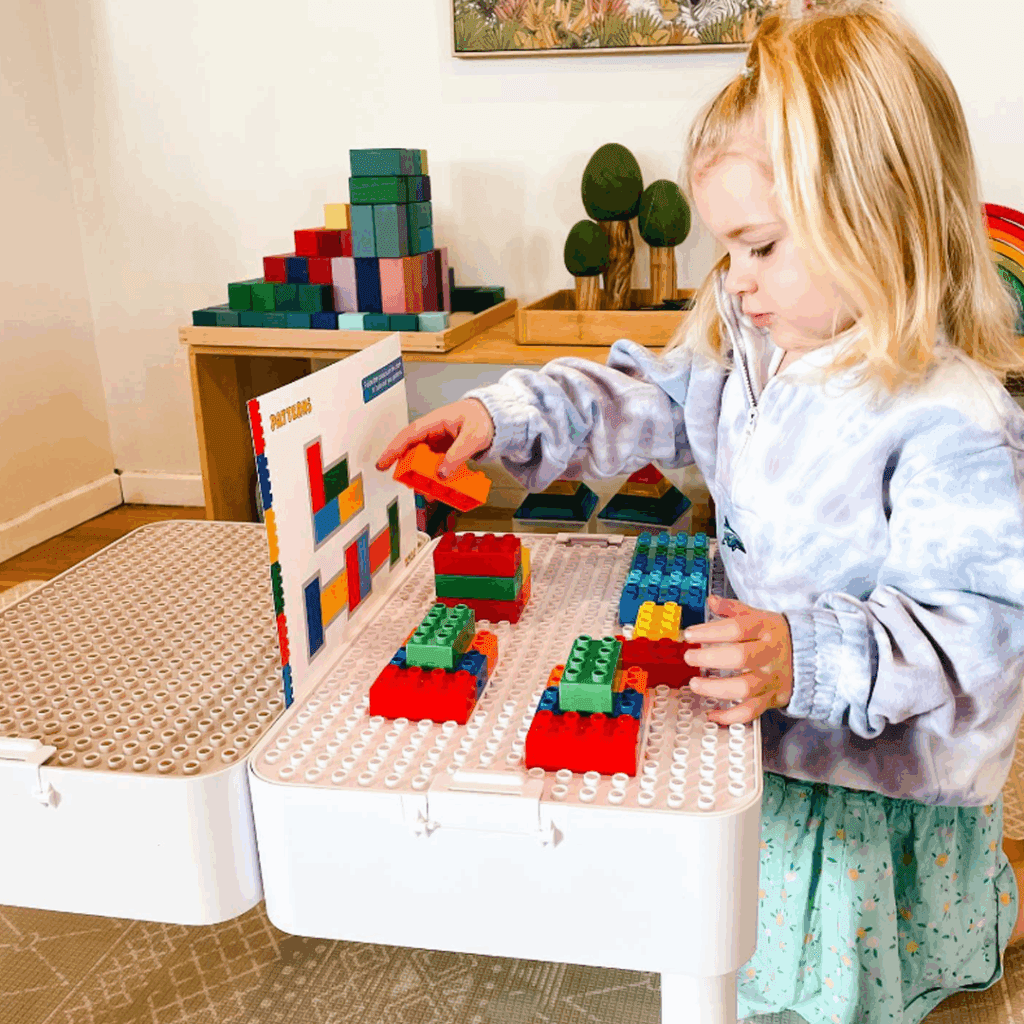
School Readiness Through Play: How Parents Can Build It at Home
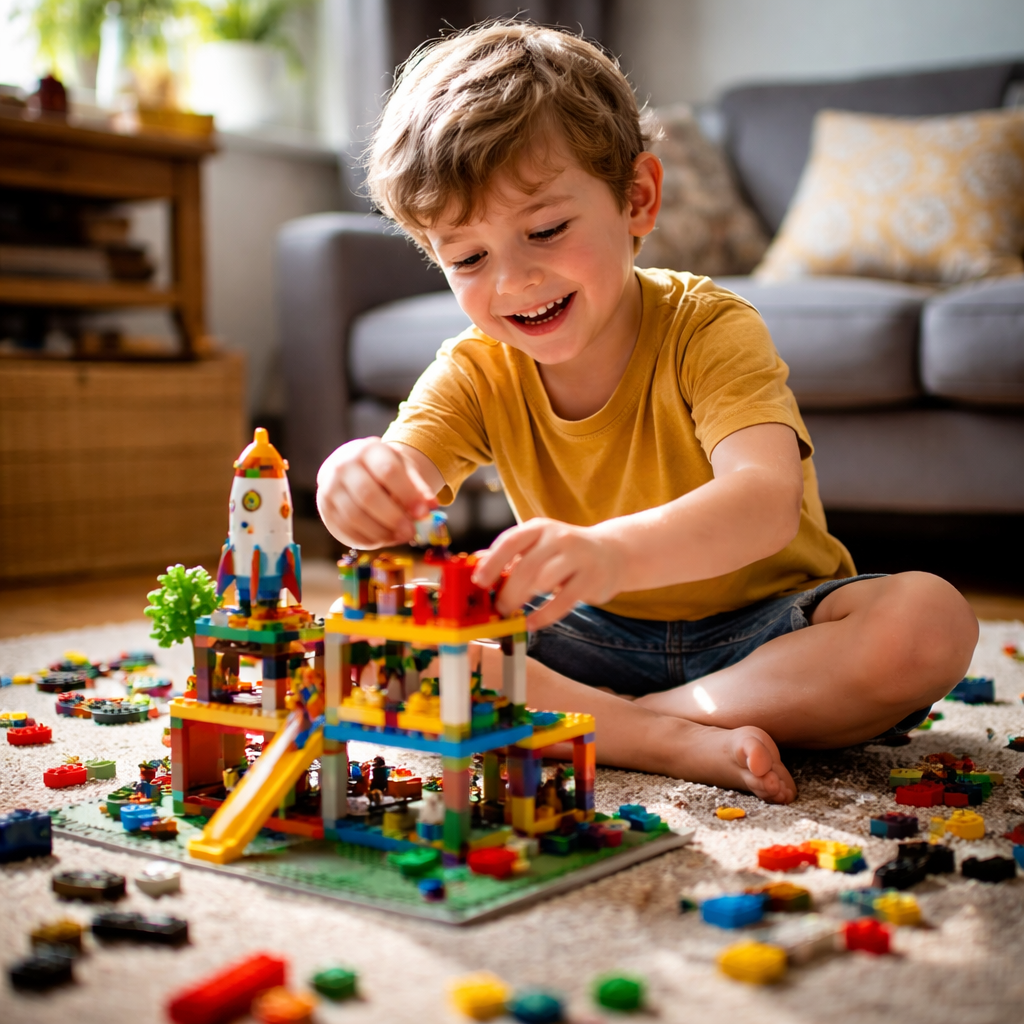
The year before school can feel heavy with quiet pressure. A parent watches their child stack cups at the kitchen table and wonders: Should she know her letters by now? Is he behind? Friends compare worksheets. Apps promise a head start. And somewhere in the noise, the simplest truth gets lost.
Children get ready for school the same way they learn almost everything important — through play. Not flashcards. Not screen-based drills. Through the everyday, hands-on, slightly messy business of trying things, getting them wrong, and trying again.
That's reassuring, because it means readiness is something you can nurture at home without a teaching degree or an expensive program. A few minutes a day, done playfully and often, does more than an hour of reluctant practice.
This guide unpacks what school readiness actually means, why play is the most effective way to build it, and the three core skills that matter most before a child walks through the school gate. You'll also find a short routine you can try tonight, and a look at how Six Bricks Play&Learn resources turn these ideas into something you can hold in your hands.
Quick Overview
- Who is this for? Parents and home educators of children in the year or two before formal school.
- What will you learn? What school readiness really means, why play builds it best, and three skills to focus on at home.
- Key takeaway: Short, playful, repeated routines build school readiness more effectively than academic drilling.
What School Readiness Really Means
School readiness is not about knowing letters and numbers before day one. It's the set of underlying skills that let a child learn once they get there — the ability to focus, follow instructions, manage feelings, get along with others, and keep trying when something is hard.
Many parents assume readiness lives in academic content: the alphabet, counting to twenty, writing a name. Those things matter, but they sit on top of a deeper foundation. Research in child development consistently points to executive function — the brain's management system — as more predictive of school readiness than IQ alone.
Put simply, a child who can sit with a tricky task, remember a two-step instruction, and recover from frustration will thrive in a classroom, even if their letter recognition is still catching up. A child loaded with facts but unable to regulate attention or emotion will struggle, no matter how much they "know."
The good news is that these foundational skills are highly trainable in early childhood. They grow through repetition, gentle challenge, and play — exactly the kind of experiences a home can offer in small, ordinary moments.
Why Play Builds Readiness Better Than Drills
Play is not a break from learning. For young children, it is learning. When a child builds, sorts, role-plays, or solves a small puzzle, they are rehearsing the exact skills school will demand of them — focus, flexibility, persistence, and cooperation.
The LEGO Foundation's research identifies five characteristics of genuinely playful learning: the experience must be joyful, meaningful, actively engaging, iterative, and socially interactive. When all five are present, learning sticks. A worksheet rarely meets even one. A shared building game can meet all five at once.
Hands-on play also engages more of the brain. Multi-sensory learning — bringing touch, sight, and movement together — strengthens memory encoding and supports children who learn best by doing rather than listening. When a child physically moves a brick to match a pattern, the concept lands more firmly than when they simply watch.
There's also a confidence effect. Play lets children meet challenges just beyond what they can do alone — what Vygotsky called the Zone of Proximal Development. With a little support, a child stretches into new skills and feels capable doing it. That feeling of "I can figure this out" may be the single most valuable thing a child can carry into their first classroom.
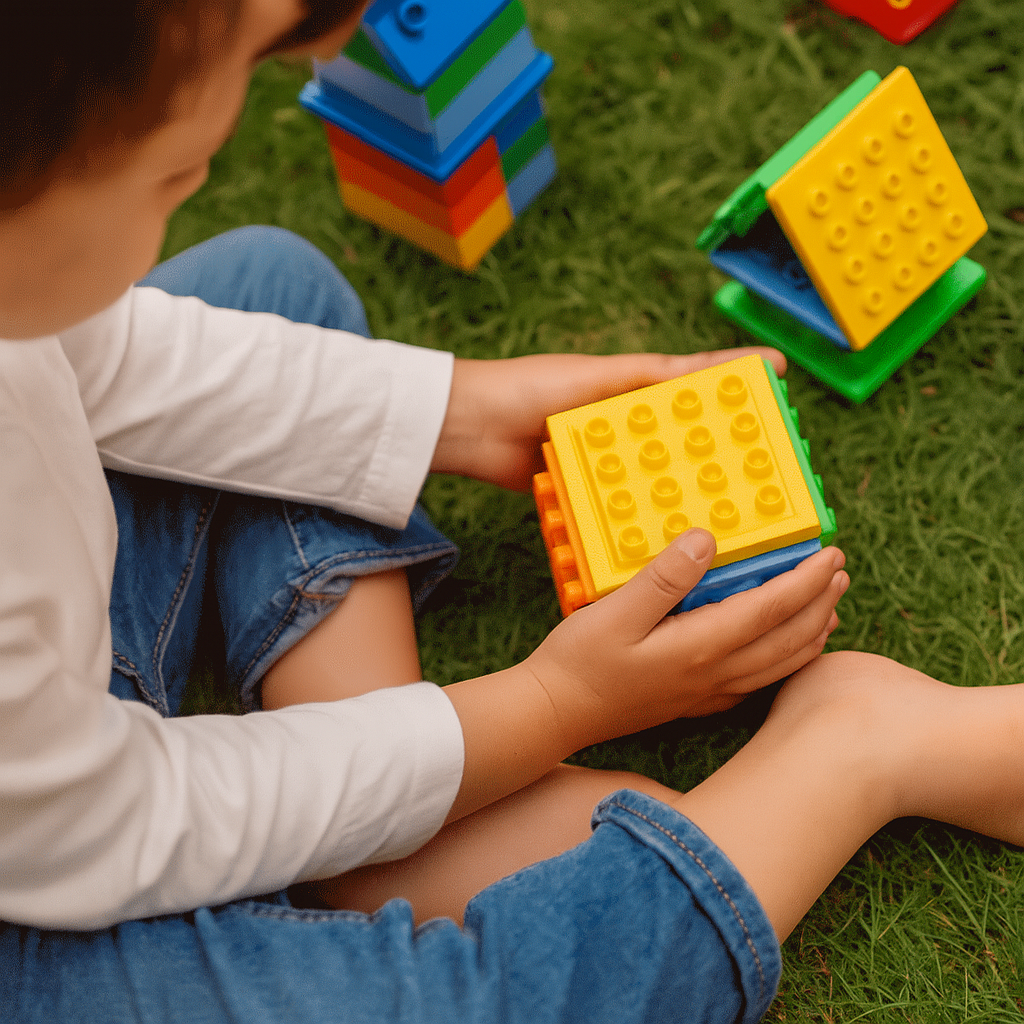
The Building Blocks: Three Skills to Focus On
If you only target one area before school, target executive function. These three core skills do the quiet work behind almost everything a child does in a classroom.
Working Memory
Working memory is the brain's ability to hold and use information in real time. It's the skill that lets a child follow a three-step instruction — "put your shoes on, get your bag, wait by the door" — without losing step one. You can strengthen it through simple memory games, pattern-copying, and routines that ask a child to hold a sequence in mind.
Cognitive Flexibility
Cognitive flexibility is the ability to shift gears — to switch rules, try a new approach, or see something from another angle. A classroom asks for this constantly: move from drawing to tidying, from one rule to another. Play that changes the rules midway, or invites "what else could we do?", builds this muscle gently.
Inhibitory Control
Inhibitory control is the skill of pausing before acting — waiting for a turn, resisting a distraction, sticking with a task. It underpins much of what we call settled, focused behaviour at school. Turn-taking games and activities that ask a child to stop, wait, or hold back are quietly building one of the most important readiness skills of all.
A Five-Minute Routine You Can Try Tonight
Imagine a kitchen table after dinner. A four-year-old is winding down, attention flickering. Instead of a worksheet, you pull out six bricks and play a quick pattern game.
You build a short tower — red, blue, red — and ask your child to copy it. They do. You add one more brick and ask them to remember the order, then knock it down and rebuild from memory. They laugh, get it slightly wrong, and try again. Five minutes later, they've practised working memory, sequencing, focus, and the all-important skill of recovering from a mistake — and they think they were just playing.
Here's a simple structure you can repeat:
- Copy it. Build a short pattern and ask your child to recreate it (working memory and attention).
- Change it. Swap one brick and ask what's different, or invent a new rule together (cognitive flexibility).
- Take turns. You build, they build, back and forth — no interrupting (inhibitory control and social skills).
The magic is in the repetition, not the length. Short, predictable play routines help children build regulatory capacity by reinforcing the patterns linked to calm, focused engagement. Two to five minutes, done most days, will outperform a long session done once a week.
How Six Bricks Play&Learn Supports the Year Before School
You don't need a cupboard full of resources to do this well — but a little structure helps, especially on the days when inspiration runs dry. That's exactly what the Six Bricks Play&Learn range is built for.
Play&Learn brings the Six Bricks methodology into the home with activity decks designed for parents, not specialists. Resources like Let's Get Started and Six Bricks Activities give you ready-made, short routines you can pick up and use immediately — no planning, no prep, no teaching background required. The Neurodiversity Builders deck offers the same playful structure with extra attention to children who learn differently.
Because the activities are multi-sensory, predictable, and quick, they fit naturally into family life — a few minutes before dinner, in the car, or as a calm-down before bed. And because they're built on the same six DUPLO®-style bricks used by educators in 42+ countries, the play your child does at home mirrors the structured play they'll meet at school. That continuity makes the transition gentler. The same building blocks that support early maths readiness and early literacy are quietly at work here too.
If you'd like to see the method in action first, the free Introduction to the Six Bricks Methodology webinar is a low-pressure place to start.
Key Takeaways
- School readiness is about underlying skills — focus, flexibility, persistence, regulation — not early academics.
- Executive function is more predictive of school readiness than IQ alone, and it's highly trainable in early childhood.
- Play meets all five characteristics of effective learning; worksheets rarely meet one.
- Focus on three skills: working memory, cognitive flexibility, and inhibitory control.
- Short, playful routines done most days beat long sessions done occasionally.
- Six Bricks Play&Learn turns these ideas into ready-to-use home activities — no teaching background needed.
FAQ
How can I prepare my child for school at home without buying a curriculum?
What skills are most important before starting school?
Is play-based learning enough, or does my child need academic practice too?
How much time a day should I spend on school readiness activities?
Can these activities help a neurodiverse child get ready for school?
Bring playful learning home
Explore the Six Bricks Play&Learn range and add short, joyful, readiness-building routines to your family's day.
Discover Play&Learn