
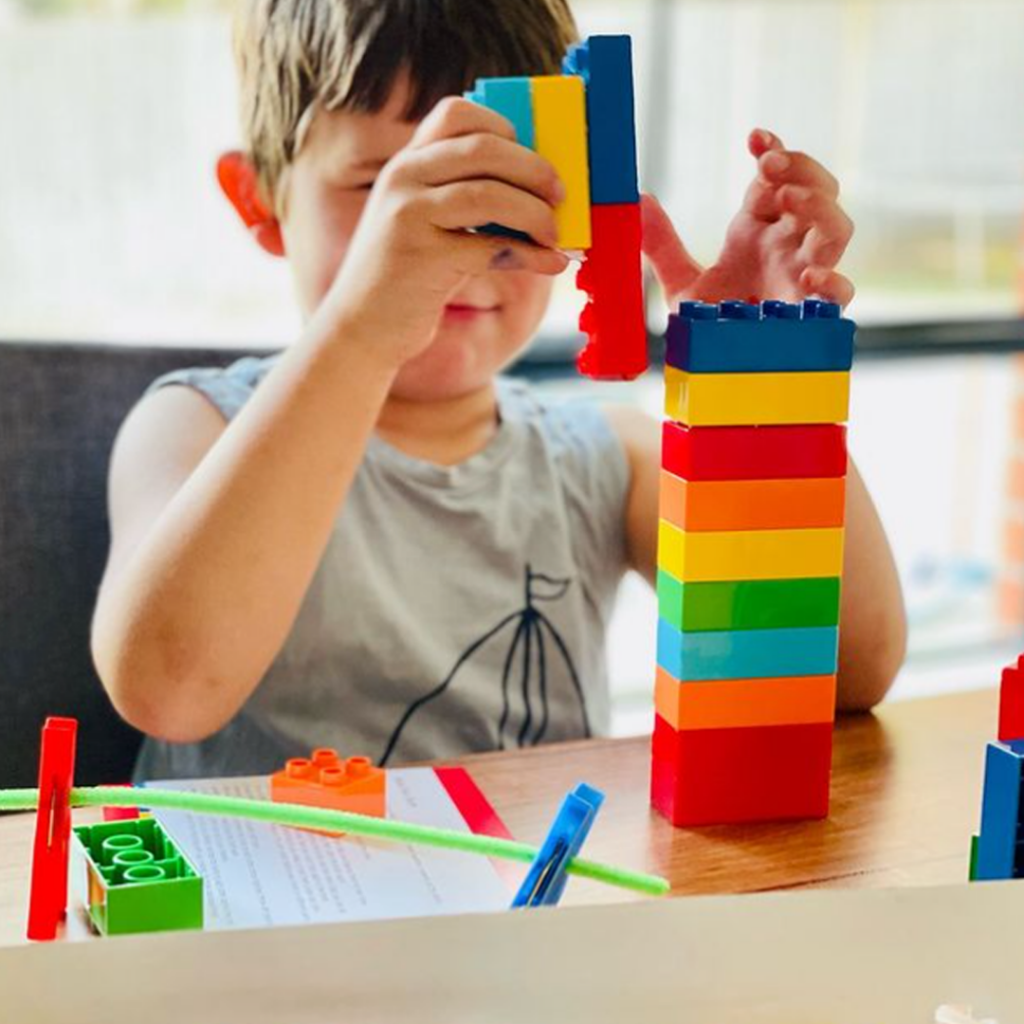
As a parent, it can be challenging to find engaging activities that hold your child’s attention. The good news is, you don’t need complicated plans or expensive toys. The secret is structured play—simple, guided activities that build foundational skills while creating a wonderful opportunity to connect.
Engaging your child is about starting small and following their lead. Here are our top tips to get started.

Why Structured Play is a Game-Changer
Structured play provides a perfect balance between gentle guidance and creative freedom. Unlike free play, it involves a specific goal or set of rules, which helps children develop crucial life skills.
The benefits are huge:
- Boosts Concentration: Working towards a small goal helps lengthen attention spans.
- Develops Motor Skills: Activities like building and sorting refine hand-eye coordination.
- Introduces Problem-Solving: Children learn to think sequentially and overcome small challenges.
- Strengthens Your Bond: Sharing a fun, focused activity creates positive memories and deepens your connection.
5 Tips to Kickstart a Love for Learning Activities
1. Start Small and Simple
You don’t need to begin with something complex. The best starting point is an easy activity you know your child already enjoys. Observe what they naturally play with—is it blocks, dolls, or crayons? Start there to build confidence and ensure a positive experience.
2. Follow Their Natural Curiosity
Every child has a unique play personality. Some love getting messy with paint, while others prefer the quiet logic of building with bricks. Some need to move their bodies, while others are happy to sit and focus. By choosing activities that align with their natural interests, you make learning feel effortless and fun.

3. Know When to Pivot, Not Push
If your child isn’t enjoying an activity, don’t force it. Every child develops at their own pace, and they may simply not be ready for that particular challenge. The goal is joyful engagement, not frustration. Simply move on and try something else, or revisit the activity another day.
4. Prepare for Effortless Fun
Have all your instructions and supplies ready before you invite your child to play. You don’t need to buy new things! Your home is a treasure chest of learning tools. The kitchen, for instance, is full of items for sorting, stacking, and measuring (just keep sharp objects away).
5. Stack the Skills with One Activity
The most effective activities build several skills at once. This is the core of the sixbrickslearning philosophy—using simple tools to create powerful learning outcomes.
For example, building a train with blocks can develop multiple skills simultaneously:
- Listening & Focus: They follow simple instructions to build the train.
- Math Concepts: They can count the blocks or measure which train is the longest.
- Fine Motor Skills: Connecting the bricks strengthens the small muscles in their hands, preparing them for writing.
Gentle Reminders for Parents
It’s easy to get caught up in the outcome, but remember, the process is what matters.
- Respect the Attention Span: A 3-year-old’s average attention span is only about 8-10 minutes. If they finish early and move to free play, that’s a success!
- Embrace Repetition: Don’t be afraid to do the same activity multiple times. Repetition is how children master skills and build confidence.
- Offer Gentle Choices: If your child refuses an activity, that’s okay. Children value a sense of control. Try again later, or invite a sibling or friend to join in to show how much fun it can be.
The most important rule is to have fun playing together!
About the Author: Six Bricks Learning Content Team
Our team includes experienced early childhood educators, instructional designers, and learning researchers. Under the leadership of Dr. Denise Meyerson, we create actionable, playful learning strategies that improve outcomes for children worldwide. We believe in blending academic rigor with play-based education to foster meaningful, lasting growth in every child.