

As generative AI reshapes the workplace, it’s tempting to think technical proficiency is the surest path to a secure career. However, a recent analysis of over 70 million U.S. job transitions tells a different story. It shows that workers with strong foundational skills—like communication, basic math, and collaboration—not only earn higher wages but also advance more quickly. Furthermore, they learn specialized skills faster and are more resilient during industry changes. In short, soft skills are now career superpowers.
These findings are a wake-up call for both parents and educators. Foundational skills develop in early childhood, and play-based learning is one of the best ways to foster them. For example, when children play with manipulatives like LEGO® bricks, they naturally build motor skills and a growth mindset. This is where Six Bricks, a methodology endorsed by the LEGO Foundation, comes in. It helps children build the skills that research shows will matter most in the future.
The Power of Foundational Skills
The recent study grouped thousands of workplace skills into two categories: foundational and specialized. Foundational skills include reading, numerical fluency, and teamwork, while specialized skills include tasks like blockchain development. By tracking workers over their careers, the study revealed that those with strong foundational skills were more likely to get higher wages and promotions. Consequently, they learned advanced skills quickly, making them adaptable and successful in collaborative environments.
Meanwhile, specialized technical skills often have a short “half-life.” Researchers estimate that half of what you know today could be obsolete within four years. For instance, technologies like Adobe Flash or Hadoop were once-critical skills that rapidly lost value. In contrast, workers who pivot successfully share the same toolkit: critical thinking, clear communication, and teamwork. In brain-based learning terms, their neural pathways are wired for cognitive flexibility. These abilities are essential for any STEM curriculum and prepare learners to interpret graphs and adapt to new systems.
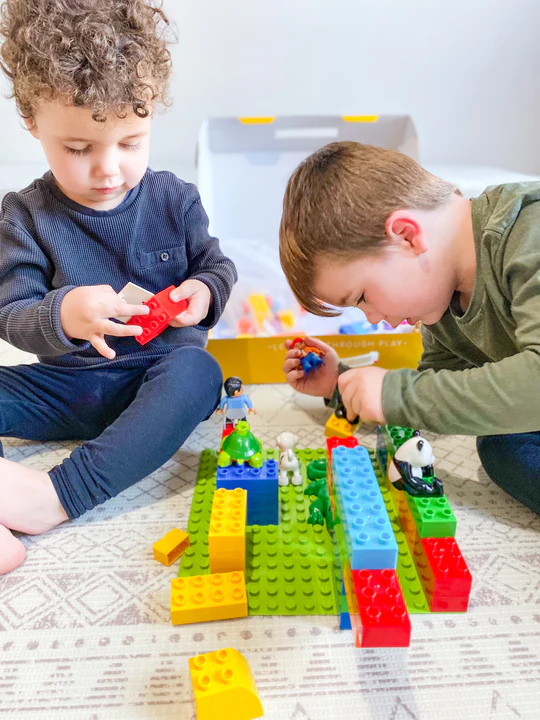
Foundations Begin in Preschool
Soft skills don’t magically appear in adulthood; instead, they are cultivated from childhood through play and social interaction. Overly structured drills do little to foster resilience or creativity. That’s why the Six Bricks approach is so powerful. Using just six colourful DUPLO®-style bricks, children engage in guided activities that develop essential life skills. This method builds fine and gross motor skills through stacking and matching challenges. Moreover, these short, playful exercises encourage focus, memory, and sharing, while also supporting spatial reasoning.
Developed in South Africa, Six Bricks activates multiple neural pathways in the brain. Each activity taps into early childhood education principles from the Foundation Phase curriculum. It combines physical activities, language, and numeracy into an integrated pedagogical approach. By reinforcing executive functioning skills, children gain the cognitive flexibility to transfer knowledge across different contexts. Ultimately, Six Bricks brings a research-backed, hands-on methodology to life in any setting.
How Six Bricks Builds Foundational Skills
Develops communication and social skills. Story-based kits like Cracker the Lonely Crocodile encourage children to express feelings, listen, and build narratives. As a result, they strengthen social-emotional skills and resilience. Cooperative games also cultivate empathy and teamwork, which are essential for collaboration.
Strengthens problem-solving and critical thinking. Activities like matching colour patterns or designing a bridge engage children’s reasoning abilities. In fact, these creative challenges mirror the analytical thinking valued in the workplace. When learners manipulate coloured bricks, they build spatial reasoning while practising structured play.
Boosts math and literacy skills through play. Six Bricks makes numeracy skills tangible and joyful through games like counting towers and pattern paths. Similarly, language-building activities like the “Color Clues” game develop vocabulary and narrative skills. These activities integrate play with curriculum outcomes, helping to address the literacy crisis through brain-based methods.
Enhances executive function. Games that require children to remember sequences or inhibit impulses strengthen key cognitive skills. Specifically, they improve working memory, inhibitory control, and cognitive flexibility. These are the very skills that support adaptability and learning agility later in life. They also lay the groundwork for STEM skills.
Supports neurodiverse learners. The tactile nature of Six Bricks helps autistic children and those with ADHD integrate sensory information. It also helps them develop communication skills and practise self-regulation. Therefore, its therapeutic applications are wide-ranging, from social exercises to motor experiences, ensuring every child can thrive.

Product Spotlight: Tools to Build Tomorrow’s Skills Today
To help you put these principles into action, Six Bricks Learning offers research-backed kits and resources for home and classroom use:
- Let’s Get Started Card Deck – A set of 24 portable activities with a built-in reward system, perfect for quick five-minute exercises that build focus, memory, collaboration and fine motor skills. View Product
- Play & Learn Card Sets – The Friends & Family, The World Around Us and Let’s Get Started decks feature curated activities that boost cognitive development, creativity, executive function and social-emotional learning. Explore the Sets
- Build-a-Book Story Kits – Titles like Cracker the Lonely Crocodile and Diggy the Helpful Dog invite children to build scenes while telling stories, nurturing language skills, empathy and imagination. See Story Kits
- Six Bricks for Autistic Children – A specialized kit that supports sensory integration, communication development and executive function for neurodiverse learners. Learn More
- Large Group Kit & Accreditation Courses – For educators, these resources provide everything needed to integrate Six Bricks into classrooms and after-school programs. View Educator Resources
Practical Tips for Parents and Educators
- Start small and simple. Choose activities that align with children’s interests and keep sessions short.Source
- Follow their curiosity. Let kids lead the play; if they veer off course, simply pivot to maintain engagement.Source
- Stack skills. Use one activity to build multiple skills at once, such as listening, counting, and fine motor control.Source
- Make it social. Encourage turn-taking and cooperative building to nurture communication and empathy.Source
- Support neurodiverse needs. Offer sensory-friendly tasks and clear instructions. Above all, celebrate small steps.Source
Final Thoughts
In an era when technical knowledge can become obsolete overnight, the skills that endure are the ones that help us learn, collaborate, and adapt. Research shows that workers with strong foundational skills have higher ceilings and greater resilience. By integrating Six Bricks into play, you give children a joyful, research-backed pathway to develop these abilities. Six Bricks Learning offers a comprehensive ecosystem of hands-on tools, visual aids, and community support. In conclusion, start building the foundation now, and watch learners thrive in whatever future they choose.