
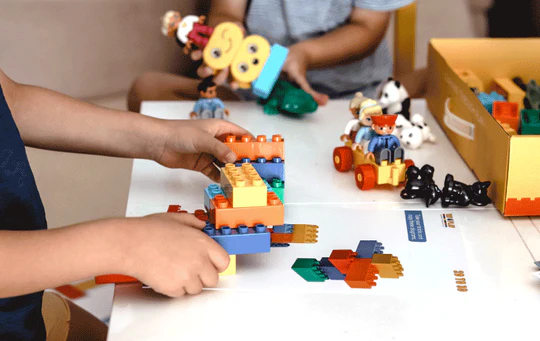
As parents, caregivers, and educators, we all want to give children the strongest possible foundation for learning. One of the most powerful — and often underestimated — ways to do this is through play.
When play and literacy come together, children don’t just learn to read — they learn to love reading. This is where busy books, and especially interactive approaches like Build-a-Book, play a vital role in early childhood development.
What Is a Busy Book?
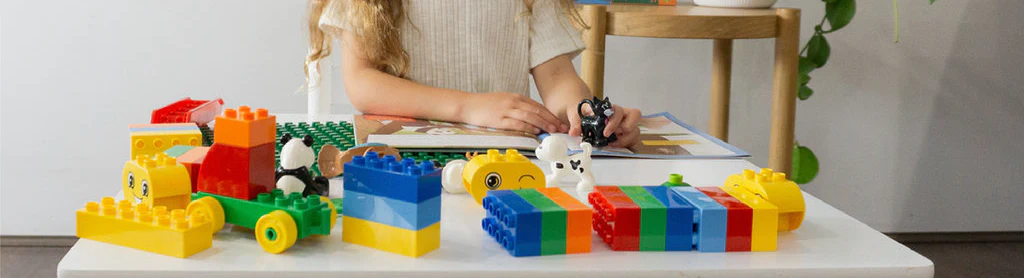
A busy book is an interactive learning book designed to actively engage young children through hands-on play. Rather than passively listening or watching, children touch, move, match, build, and explore as part of the reading experience.
Busy books can focus on themes such as:
- Numbers and counting
- Colours and shapes
- Animals and everyday objects
- Stories and sequencing
Some busy books also incorporate educational games and storytelling, making them a powerful bridge between early literacy and playful learning.
Why Busy Books Matter for Toddlers
The toddler years are a critical period for brain development. During this stage, children learn best through exploration, repetition, and sensory-rich experiences. Busy books offer exactly that — in a safe, engaging, and developmentally appropriate format.
Here’s how busy books support early learning:
1. Strengthening Fine Motor Skills
Busy books are designed for little hands. Turning pages, lifting flaps, matching pieces, or building scenes helps children develop:
- Hand–eye coordination
- Finger strength and dexterity
- Control needed for writing and drawing later on
These skills are foundational for both literacy and independence.
2. Supporting Cognitive Development
Busy book activities challenge children to think, remember, and problem-solve. Through play, children naturally develop memory and recognition skills, spatial awareness, and an understanding of cause and effect. Because the learning is embedded in play, children stay engaged without feeling pressured or overwhelmed.
3. Building Language and Early Literacy Skills
Busy books create meaningful opportunities for language growth. Naming objects, describing actions, answering questions, and retelling stories all help children expand their vocabulary and comprehension. When adults interact with children during busy book play, literacy development becomes social, conversational, and joyful — a key factor in long-term reading success.
4. Encouraging Creativity and Imagination
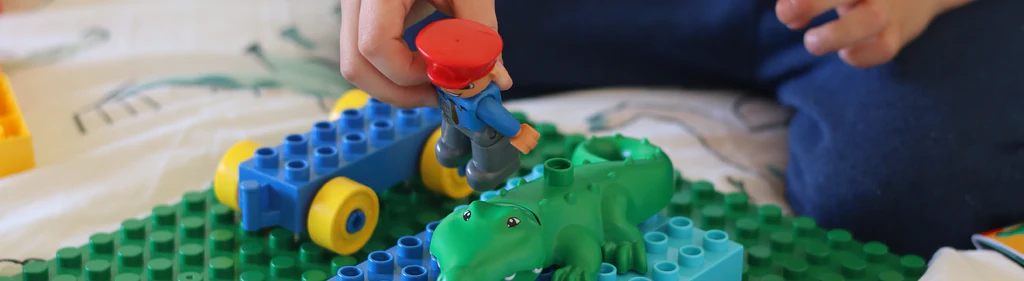
Busy books invite children to imagine, invent, and create. Children use stories, characters, and images as a starting point for their own ideas — developing storytelling skills, creative thinking, and emotional expression. This imaginative play strengthens both cognitive flexibility and social understanding.
5. Supporting Independent Play
One of the great strengths of busy books is that children can explore them independently. As toddlers work through activities on their own, they build confidence, persistence, and a sense of autonomy. Independent play also supports self-regulation and problem-solving — skills essential for school readiness.
How to Use Busy Books Effectively with Toddlers
To get the most learning value from busy books, intentional use makes all the difference.
- Choose the Right Book: Select a busy book that matches your child’s interests and developmental stage. A child fascinated by animals, for example, will naturally engage longer with an animal-themed book.
- Create Dedicated Play Time: Set aside moments when your child is alert and relaxed. If your child is not yet reading, stay nearby to model language, ask questions, and guide exploration.
- Encourage Exploration Through Questions: Ask open-ended questions such as “What do you think happens next?” or “Can you tell me about this picture?” This deepens comprehension and language use without interrupting play.
- Follow Your Child’s Lead: Some children need more challenge; others need more support. Adjust the experience to suit their needs — the goal is confidence, not perfection.
- Extend the Learning: After play, talk about what your child enjoyed most. You might retell the story together, build on it with toys or Six Bricks, or connect it to real-life experiences.
What Makes Build-a-Book Different?
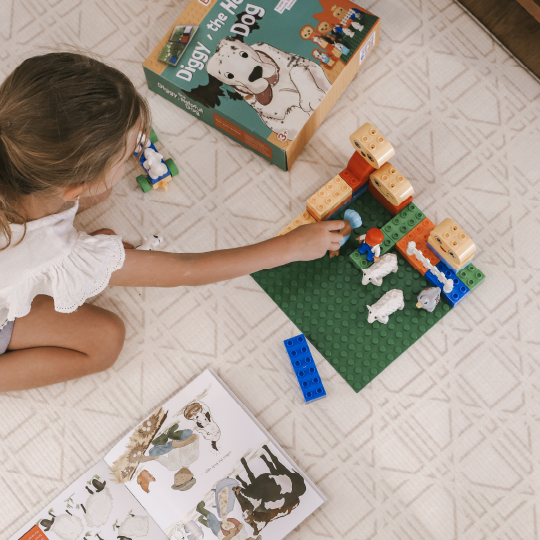
Build-a-Book takes the concept of busy books to the next level by combining storytelling with hands-on building. Using bricks to recreate characters, scenes, and story sequences allows children to physically construct meaning, strengthen comprehension and sequencing, and engage multiple senses at once.
This approach is especially powerful for children who struggle with traditional reading, learn best kinaesthetically, or need a more engaging entry point into literacy. Build-a-Book doesn’t just teach children how to read — it helps them experience stories.
Key Takeaways
- Busy books bridge literacy and play in powerful ways
- Hands-on interaction strengthens motor, cognitive, and language skills
- Independent and shared play both support early literacy
- Build-a-Book extends busy book learning through construction and storytelling
- Play-based literacy builds confident, motivated readers
FAQ
Q: What age group are busy books best for?
Busy books are ideal for children aged 2–6 years, with adaptations for older learners.
Q: Do busy books replace reading with adults?
No — they enhance it. Adult interaction during play significantly boosts literacy outcomes.
Q: Are Build-a-Book activities suitable for children with additional needs?
Yes. Build-a-Book is highly adaptable and supports inclusive, multi-sensory learning.
About the Author
Six Bricks Learning supports educators and families with playful, research-informed tools that nurture literacy, creativity, and confidence through hands-on learning.
Help Children Fall in Love with Reading
Want to help children fall in love with reading through play? Explore Build-a-Book and discover how hands-on storytelling can transform early literacy learning.
Explore Build-a-Book