

Research consistently shows that families who make time for play are happier, less stressed, and more connected. Yet, many households struggle to carve out this important time. A global survey highlighted a concerning trend:
- Nearly one-third of families spend less than five hours playing together each week.
- Around 10% play for fewer than two hours.
- Even when families do sit down to play, distractions such as work, chores, and smartphones often get in the way.
The message is clear: play is vital, but it’s under pressure in busy modern lives.

The Benefits of Play with Six Bricks
Play is more than entertainment — it’s a powerful developmental tool. When families engage in playful activities like Six Bricks, children gain:
- Problem-solving skills through structured challenges.
- Creativity and imagination through free play.
- Stress relief and emotional resilience by experimenting in a safe, no-right-or-wrong environment.
- Motor and coordination skills through hands-on building and movement.
Most importantly, play strengthens family bonds, creating joyful memories and shared experiences.
Practical Ways to Prioritise Play
1. Schedule Playtime with Intention
Life is busy, but even 15 minutes of focused play each day can have lasting benefits. Keep bricks and play materials within easy reach, so children know when and how to join in.
2. Mix Structured and Free Play
Structured play: Six Bricks memory games, colour-matching challenges, or building tasks with clear steps. These develop logical thinking and coordination.
Free play: Let children invent their own games or stories with the bricks. This nurtures creativity and self-expression.
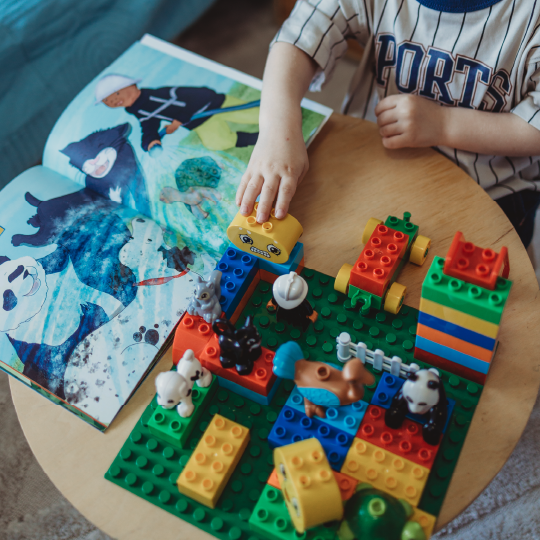
3. Turn Daily Routines into Games
Household chores can be playful:
- Time challenges (who can tidy up fastest).
- Storytelling while packing toys.
- Using bricks to “gamify” simple tasks.
4. Create Stress-Relieving Play Stations
Set up small play zones at home — a Six Bricks puzzle corner, a storytelling area, or a movement space. Let children rotate through activities, giving them ownership and choice.

5. Encourage Active Joy
Children thrive when they move, laugh, dance, and explore. Six Bricks activities can be combined with physical play, helping reduce screen time while boosting joy and engagement.
6. Reuse Favourite Activities
Repetition is valuable. Whether it’s a puzzle, a stacking game, or a building challenge, iterative play with Six Bricks helps children practise regulation, focus, and resilience.
FAQ
Q: How much time should families spend playing together?
Even 15 minutes a day can make a difference — consistency matters more than duration.
Q: Can play really reduce stress?
Yes. Play is a proven way to lower anxiety for both children and parents, fostering joy and resilience.
Q: Do children get bored repeating the same games?
Not at all. Repetition builds mastery — children learn new lessons each time they revisit a favourite activity.
About the Author
Six Bricks Learning provides innovative, play-based strategies for families and educators. Our mission is to help children thrive through simple, hands-on activities that fit seamlessly into daily life.
Start Your Play Journey
Ready to bring more joyful play into your family’s daily routine? Explore our Six Bricks activity guides and resources to get started today.
Explore Activity Guides